
German immigration law is mainly set out in the Residence Act (Aufenthaltsgesetz). It distinguishes between citizens of the EU, EEA and Switzerland, who enjoy free movement, and nationals of other countries, who need a residence permit for longer stays and for work.
Since the reform of the Skilled Immigration Act in 2023 and 2024, the routes for qualified workers have become broader and simpler. This overview explains the main options and links to detailed guides.
Who Needs a Residence Permit?
- EU, EEA and Swiss citizens: no permit, only address registration.
- Citizens of Australia, Canada, Israel, Japan, New Zealand, South Korea, the UK and the USA: can enter without a visa and apply for a residence permit in Germany.
- All other nationals: usually need a national visa from a German embassy before entering for work or a longer stay.
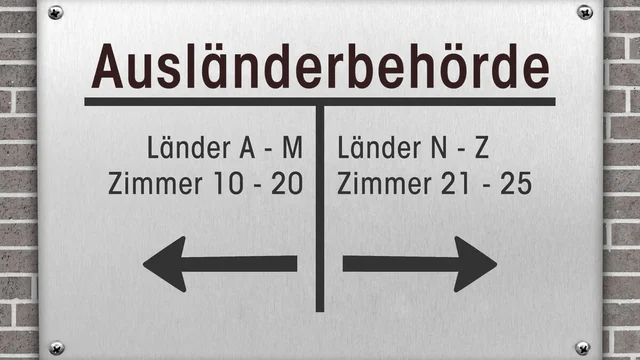
The residence permit is issued by the local immigration office (Ausländerbehörde). It states whether and what kind of employment is allowed.
Permits for Work
EU Blue Card. For people with a recognised degree, or IT specialists with professional experience, and a job offer above a salary threshold. In 2026, the threshold is €50,700, or €45,934.20 for shortage occupations and recent graduates. See EU Blue Card in Germany.
Skilled worker permit. See work visa and work permit. For people with a recognised degree or vocational qualification and a job offer for qualified work, without a fixed salary threshold. If you are 45 or older when you first apply, you need a salary of at least €55,770 a year in 2026 or adequate provision for old age.
Experience-based permit. For people with at least two years of professional experience and a qualification recognised in their home country, with a salary of at least €45,630 a year in 2026 (€55,770 from age 45), or an employer bound by a collective agreement.
Opportunity Card (Chancenkarte). A points-based permit for up to one year to look for a job in Germany. You need a qualification and enough points for language skills, experience, age and other criteria, as well as proof that you can support yourself. Part-time work of up to 20 hours a week is allowed during the search.
Job search after studying in Germany. Graduates of German universities can stay for up to 18 months to find a job that matches their qualification.
Family Reunion
See family reunion in Germany for details.
Spouses and minor children can join a family member who lives in Germany with most residence permits, though not with every permit, for example not with the Opportunity Card. Usually, the spouse needs basic German skills, and adequate living space and secured livelihood are required. Blue Card holders and skilled workers benefit from simplified rules, for example no language requirement for spouses and no requirement for adequate living space.
Permanent Residence
See permanent residence in Germany for details.
A settlement permit (Niederlassungserlaubnis) is unlimited and allows any kind of work. The waiting time depends on your permit:
| Permit | Earliest settlement permit |
|---|---|
| EU Blue Card | after 21 months with German B1, otherwise 27 months with A1 |
| Skilled worker permit | after 3 years |
| Other permits | generally after 5 years |
Requirements usually include secured livelihood, pension contributions, German language skills and basic knowledge of the legal and social system. Permanent EU residence (Daueraufenthalt-EU) is an alternative after five years.
Citizenship
See German citizenship and dual citizenship for details.
Since June 2024, foreign nationals can generally be naturalised after five years of lawful residence in Germany. The earlier option of naturalisation after three years for particularly well-integrated people was abolished in October 2025. Other requirements include German language skills at level B1, secured livelihood and a commitment to the constitutional order.
Germany now generally accepts dual citizenship, so you no longer need to give up your previous nationality.
Job Loss and Residence
If your permit depends on your job, a dismissal does not end it automatically, but it can affect it. See losing your job and your residence permit.
Practical Points
- Apply in time. Apply for an extension before your permit expires. Your stay is then usually considered lawful until a decision is made.
- Waiting times. Immigration offices in large cities are often overloaded. See practical tips for faster residence permits.
- Recognition. Foreign qualifications often need to be recognised or assessed before a permit can be issued.
Frequently Asked Questions
Can I work while waiting for my permit?
If you applied for an extension in time, you usually receive a certificate (Fiktionsbescheinigung) that allows you to continue working on the same terms.
Can I change jobs on a work permit?
Often, but check first. Skilled worker permits are usually tied to a specific employer, so you need a new or amended permit before you start the new job. Blue Card holders can change more easily, but must report the change in the first twelve months, and the immigration office can object within 30 days.
Does Germany offer residence by investment?
Not in the form of a golden visa. See residence by investment.