
A performance improvement plan (PIP) is a document that sets you goals for a limited period, often 30 to 90 days, with the warning that failure may lead to "further steps". It is common in American and British companies and has become frequent in German offices of international employers.
Under German law, a PIP has no legal status of its own. It does not create a reason for dismissal, and failing it does not mean you can simply be let go. But it can serve as a warning and as evidence. But it is rarely just about performance. In many cases, it is the first step towards a dismissal or an offer to leave.
Why Employers Use PIPs
There are usually three reasons:
- Genuine improvement. The employer wants better results and sets clear expectations.
- Building a file. The employer is preparing a dismissal and wants documentation.
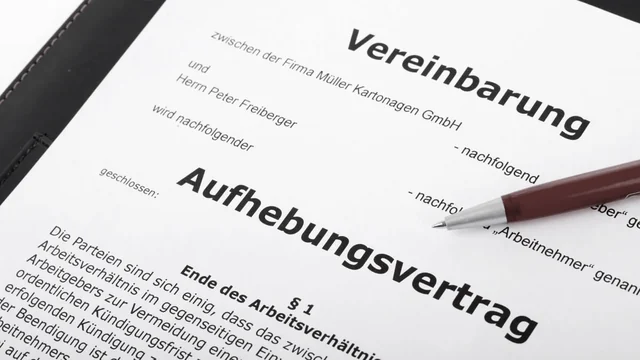
- Pressure to leave. The employer hopes you will resign or accept a termination agreement, which avoids the risks of a dismissal.
In Germany, the second and third reasons are common, because dismissing an employee for performance is difficult.
What German Law Requires for a Performance Dismissal
If you have worked for the company for more than six months and it has more than ten employees, you are protected by the Dismissal Protection Act. A dismissal for poor performance is then only valid if:
- Your performance is clearly below average over a longer period. Courts have looked for performance well below that of comparable colleagues, for example by about a third, or a much higher error rate. Slightly weaker results are not enough. If the employer shows such a gap, you must explain why you are still doing your best: the standard is that you work as well as you personally can.
- You were warned. If you could do better, the employer usually has to give you a formal warning (Abmahnung) first. See warning letters.
- The dismissal is proportionate. The employer must consider training, a different role or other milder measures.
If you cannot perform the job because of illness or lack of ability, different rules apply. See dismissal for personal reasons.
In your first six months or in a small business with ten employees or fewer, the Dismissal Protection Act does not apply. A PIP then has little legal meaning, because your employer can dismiss you without giving a reason anyway, subject to limits such as discrimination rules, special protection and, where there is one, hearing the works council. See dismissal without reason.
Free Case Review by an Employment Lawyer
An employment lawyer looks at your case and tells you where you stand and what is realistic.
- Free and non-binding
- In English
- Confidential
Is a PIP a Formal Warning?
Not automatically. A formal warning must name a specific breach of duty, ask you to change your behaviour and state that your job is at risk if you do not. Some PIPs contain all three elements and can then count as a warning. Others only set goals.
Read your PIP carefully with this in mind. If it reads like a warning, treat it like one.
How to Respond
- Do not sign as "agreed". You can confirm that you received the document. You do not have to agree to its content.
- Check the goals. Are they specific, measurable and realistic in the time given? Do you have the resources, training and support you need?
- Respond in writing. Point out goals that are unrealistic, assessments that are wrong and circumstances outside your control, such as staff shortages or changed priorities. If there is a works council, you have a right to have your response added to your personnel file and to see the file. You can also request a copy of the personal data your employer holds about you under data protection law.
- Keep records. Note your results, feedback, meetings and requests for support, with dates.
- Involve the works council. If there is one, it must agree to general assessment criteria and to technical performance monitoring, and a member can attend your performance discussions. A standardised PIP process introduced without its consent can be challenged.
- Get advice early. Before the PIP ends, before you sign anything and before any meeting about "next steps".
When the PIP Ends
There are three typical outcomes:
- You pass. The matter is closed. Keep your records anyway.
- The employer offers a termination agreement. You are free to say no. If you consider it, negotiate severance, notice period, garden leave and a good reference. A termination agreement can also lead to a blocking period for unemployment benefit. See blocking periods.
- The employer dismisses you. You have three weeks from receiving the dismissal to challenge it at the labour court. A dismissal based on a failed PIP is often weak if there was no proper warning and no clear evidence of below-average performance. See unfair dismissal claims.
On a PIP or offered an exit after one? Get your position checked before you decide.
Get Your Free Case Review →Points for Expats
- Different meaning abroad. In the US, a failed PIP often leads straight to dismissal. In Germany, it does not. Do not resign because you expect to be fired.
- Residence permit and jobseeker registration. If you hold a permit for employment, tell the immigration office within two weeks once you know your job will end early. Challenging a dismissal does not extend your job or your permit. Register as a jobseeker within three days of a dismissal if less than three months remain. See losing your job and your residence permit and registering as a jobseeker. A negotiated exit with a later end date can give you more time.
- Language. You have no right to a translation. Do not sign anything you do not fully understand, and ask for time to have German documents translated.
Frequently Asked Questions
Do I have to accept a PIP?
You cannot stop your employer from setting goals and giving feedback. But you do not have to agree with the content, and you should not sign it as agreed.
Can I be dismissed during a PIP?
Yes, but only under the normal rules. The PIP itself does not create a reason for dismissal.
Can I bring someone to PIP meetings?
If there is a works council, you can ask a member to attend meetings about your performance. Otherwise, it depends on your employer.
Should I start looking for a new job?
It makes sense to keep your options open. But do not resign before getting advice, as a resignation can cost you severance and unemployment benefit.