
Start-ups in Germany often reward employees with a stake in the company's future: virtual shares, phantom shares, stock options or, less often, real shares. These plans almost always contain leaver clauses. They decide what happens to your stake when you leave, and they distinguish between "good leavers" and "bad leavers".
These clauses are frequently copied from US or UK templates. Under German law, some of them are invalid, especially when they take away what you have already earned.
The Main Types of Plans
| Plan | What you get | Typical in Germany |
|---|---|---|
| Virtual shares (VSOP) | A contractual right to a cash payment at an exit, as if you held shares | Very common |
| Stock options | A right to buy shares at a fixed price, often in a foreign parent company | Common in international groups |
| Real shares | Actual shares in the company, often held via a pool | Mainly for founders and key staff |
Most German start-ups use virtual shares, because real shares in a German limited company must be transferred by a notary.
Vesting
Your stake is usually earned over time (vesting), for example over four years with a one-year cliff: nothing in the first year, then 25 percent, then a monthly share until the end of year four. Units that have vested are yours under the plan. Units that have not yet vested are usually lost when you leave.
Calculate Your Severance Pay
See a realistic range for your severance in under a minute. No sign-up, no contact details.
- Based on your salary and years of service
- Shows the usual range from 0.5 to 1.0
- Explains what strengthens your position
Good Leaver and Bad Leaver
Typical good leaver cases:
- the employer dismisses you without cause, for example for operational reasons,
- you leave because of permanent illness or disability,
- death, with your heirs taking over the claim,
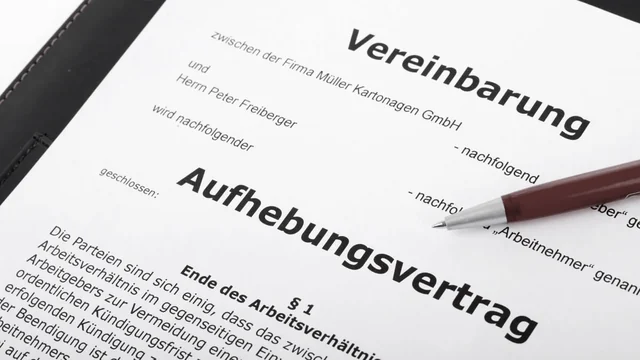
- often also a mutual termination at the employer's request.
Typical bad leaver cases:
- you resign before a certain date,
- the employer dismisses you without notice for serious misconduct,
- you breach a non-compete or confidentiality obligation.
Consequences. Good leavers keep their vested units. Bad leavers often lose all units, including vested ones, or must sell real shares back at nominal value.
What German Courts Accept
For virtual shares that your employer granted under a standard-form plan, the Federal Labour Court ruled in March 2025 that:
- vested virtual shares are compensation for work you have already done,
- a clause that makes them lapse completely because you resign is invalid,
- a clause that lets vested units expire faster after you leave than they were earned is also invalid.
This is a significant change for employees. Many plans still contain clauses of the kind the court rejected. Open questions remain, for example for individually negotiated terms, bad leaver cases involving serious misconduct and plans issued by another group company.
For stock options and real shares, the picture is more mixed. Older case law from 2008 accepted waiting periods and the forfeiture of options; how far this still applies after the 2025 ruling is unclear. For real shares granted to managers because of their job, the Federal Court of Justice allows a buy-back when they leave, typically at the purchase price. A price that works as a penalty can be invalid. The details of your plan matter.
If your plan makes you a bad leaver after a dismissal for operational reasons, the clause is likely invalid as far as your vested units are concerned. Unvested units are usually lost in any case.
What to Check
- Which document governs the plan? An agreement with your employer, a separate plan with the parent company, or both.
- Which law applies? Plans of US or UK parent companies often choose foreign law. German courts may still apply German protections if the plan is closely linked to your employment, but this is disputed. If the plan was granted by a parent company, your claims are usually against that company, not your German employer.
- Vesting status. How many units have vested on your planned leaving date?
- Leaver definitions. Would your way of leaving make you a good or bad leaver?
- Exercise periods. For stock options, how long can you exercise after leaving, and at what cost?
Negotiating Your Exit
Equity is a negotiating point in any exit. In a termination agreement or settlement, you can ask for:
- good leaver status, regardless of how you leave,
- accelerated vesting up to the end date or beyond,
- an extended period to exercise options,
- a cash payment instead of virtual shares.
Make sure the agreement does not settle your equity claims by accident. A general clause that "all claims are settled" can wipe them out. Also check exclusion periods in your contract.
If your employer dismisses you, check whether it is trying to end your employment just before a vesting date. A dismissal timed in bad faith to prevent vesting can be contested, although you would need to show the intention.
Leaving a start-up with virtual shares? Have your leaver clauses checked before you resign or sign.
Get Your Free Case Review →Tax
Payments from virtual shares are taxed as employment income when you receive them, usually at an exit. For real shares and options, tax may be due earlier, although German law allows employees of smaller and younger companies to defer tax on shares in certain cases, often until the shares are sold. Options are generally taxed when you exercise them, not when they are granted. Get tax advice before you exercise options or sell shares, especially if you are moving abroad.
Points for Expats
- US-style templates. "At-will" logic and immediate forfeiture are common in US plans but often conflict with German employment law.
- Moving abroad. Leaving Germany can affect how later payouts are taxed. If you hold at least 1 percent of a company, moving abroad can also trigger exit tax. See tax law in Germany.
- Residence permit. Do not resign to protect equity without checking your permit first. See losing your job and your residence permit.
Frequently Asked Questions
I resigned. Do I lose my vested virtual shares?
If they are part of your pay, a clause taking them away just because you resigned is likely invalid. Get your plan checked.
Can my employer change the plan after I joined?
Not to your disadvantage without your consent, unless the plan validly reserves changes. Many reservation clauses are too broad to be valid.
What if the company is never sold?
Virtual shares usually only pay out at an exit. If there is none, they may never be worth anything, regardless of leaver status.
Do leaver clauses apply to founders?
Yes, often in a stricter form. Founder agreements follow company law rather than employment law, and different rules apply.